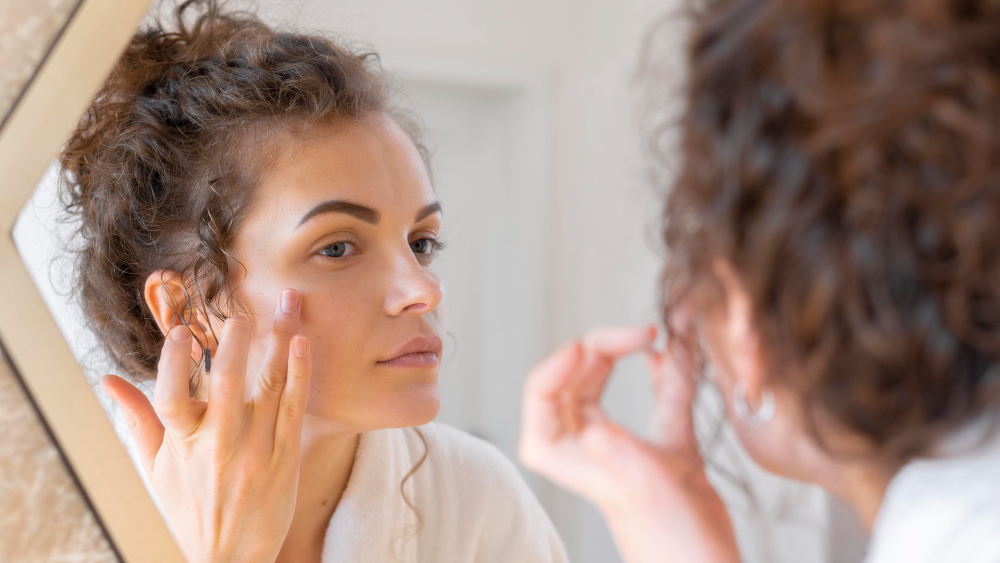
What is Prejuvenation?
Prejuvenation is a new trend in skincare. It means starting a skincare routine early, often in your 20s or 30s, to prevent signs of ageing before they appear. Instead of waiting for wrinkles or fine lines, people now focus on keeping their skin healthy from the start. As a result, prejuvenation skincare routine ideas are becoming very popular among young adults.
Why Start Skincare in Your 20s & 30s?
Many people think skincare is only for older adults. However, starting early can make a big difference. In your 20s and 30s, your skin is still strong and can heal well. But, sun damage and pollution can slowly cause changes. Therefore, early skincare tips can help protect your skin for years to come. Even if you do not see any signs of ageing, your skin still needs care.
Key Benefits of Early Skincare
Starting a prejuvenation skincare routine early offers many benefits. For example, you can:
Moreover, the World Health Organization (WHO) notes that sun protection is key to healthy skin at any age.
Essential Skincare Routine for Prejuvenation
Building a simple routine is easy. Above all, consistency matters. Here is a basic prejuvenation skincare routine for your 20s and 30s:
For those in dry or humid climates, choose products that match your skin type. For example, gel-based moisturizers work well in humid areas, while creams suit dry places.
Common Myths About Prejuvenation
There are many myths about early skincare. Let’s clear up a few:
Because of these myths, some people skip important steps. However, following a basic routine is more important than using fancy products.
Lifestyle Tips for Healthy Skin
Skincare is not just about products. In addition, your daily habits matter. Try these lifestyle tips for healthy skin:
Furthermore, stress can affect your skin. So, try relaxation techniques like deep breathing or yoga.
Prevention: How to Avoid Early Signs of Ageing
Preventing skin ageing in your 20s is easier than fixing problems later. Here are some ways to avoid early signs:
Also, regular check-ups with a skin doctor can help spot issues early.
When to Consult a Dermatologist
Sometimes, you may need expert help. For example, see a dermatologist if you notice:
Above all, a dermatologist can give you advice tailored to your needs. They can help you build the best anti-ageing routine for young adults.
In conclusion, starting prejuvenation early can keep your skin looking healthy for years. Consult a dermatologist for personalized skincare advice.