Introduction
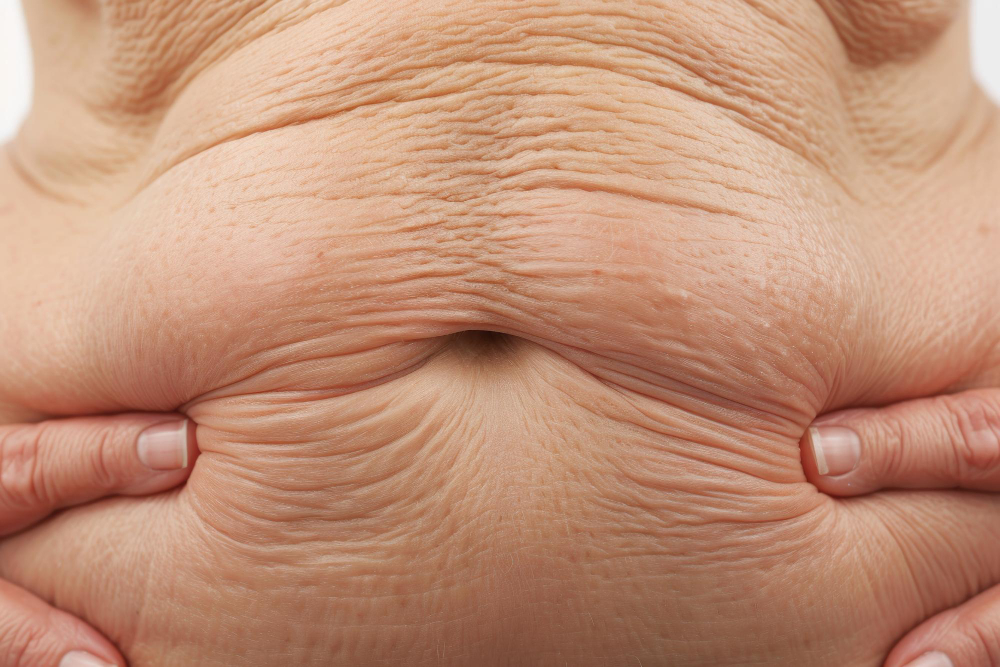
Sagging skin after weight loss is a common concern for many people. When you lose a lot of weight, your skin may not shrink back right away. Instead, it can look loose or droopy. This change can affect your confidence and comfort. For some, it may even cause physical discomfort. Thankfully, there are ways to help tighten skin after weight loss. In this blog, we will explain why sagging skin happens, what you can do about it, and how skin tightening treatments may help.
What Causes Sagging Skin After Weight Loss?
When you gain weight, your skin stretches to fit your larger body. Over time, this stretching can damage the skin’s support fibers, like collagen and elastin. After losing weight, especially if it happens quickly, your skin may not have enough time to adjust. As a result, it can become loose or saggy. Age, genetics, and how much weight you lose also play a role. For example, older adults may notice more sagging because their skin is less elastic. Rapid weight loss, such as after bariatric surgery, often leads to more loose skin.
Common Symptoms and Concerns
After weight loss, you may notice:
Sometimes, sagging skin can cause hygiene issues or limit your choice of clothing. For many, it can also affect mental well-being.
Overview of Skin Tightening Treatments
There are several ways to tighten loose skin after weight loss. Some are non-surgical, while others may require surgery. Let’s look at both options.
Non-Surgical Skin Tightening
These treatments are popular because they do not require cuts or long recovery times. However, you may need several sessions for the best results.
Surgical Skin Tightening
Surgery can offer dramatic results, but it comes with more risks and a longer recovery period.
How Effective Are Skin Tightening Treatments?
Non-surgical treatments can help mild to moderate sagging. They work best for people with good skin elasticity. Results may take a few months to show. On the other hand, surgical options are more effective for severe sagging. They can remove large amounts of loose skin in one procedure. However, surgery leaves scars and requires more downtime. Your doctor can help you choose the best option based on your needs and health.
Safety, Risks, and Recovery
Most non-surgical treatments are safe when done by trained professionals. Side effects may include redness, swelling, or mild discomfort. These usually go away within a few days. Surgical treatments carry more risks, such as infection, bleeding, or scarring. Recovery from surgery can take several weeks. It is important to follow your doctor’s advice for the best results. Always choose a certified specialist for any cosmetic treatment.
Lifestyle Tips to Support Skin Health After Weight Loss
While treatments can help, healthy habits also support your skin. Here are some tips:
These steps can help your skin look and feel better over time.
Prevention: Can Sagging Skin Be Avoided?
It is not always possible to prevent sagging skin after weight loss. However, losing weight slowly can give your skin more time to adjust. Building muscle through strength training may also help fill out loose areas. Using sunscreen and not smoking can protect your skin’s natural support system. Even so, some people may still develop loose skin due to age or genetics.
Conclusion
Sagging skin after weight loss is common, but you have options. Non-surgical and surgical skin tightening treatments can help restore firmness and confidence. Healthy habits also play a key role in skin health. Consult a certified cosmetology specialist to discuss the best skin tightening options for you.