Introduction
Many people want smooth, youthful skin. Chemical peels are a popular treatment that can help. In fact, chemical peels remove old skin layers to reveal fresher, brighter skin underneath. Because of this, they are often called the secret to smooth, youthful skin. If you are curious about chemical peel benefits or want to know if this treatment is safe for skin rejuvenation, keep reading. This guide will explain everything you need to know about chemical peels and how they can help you look your best.
What Are Chemical Peels?
Chemical peels are skin treatments that use special solutions to remove the top layers of skin. As a result, new skin grows in its place. This new skin often looks smoother and younger. Dermatologists use chemical peels to treat many skin problems, such as fine lines, acne scars, and uneven skin tone. Most people choose chemical peels for their face, but they can also be used on the neck or hands.
How Do Chemical Peels Work?
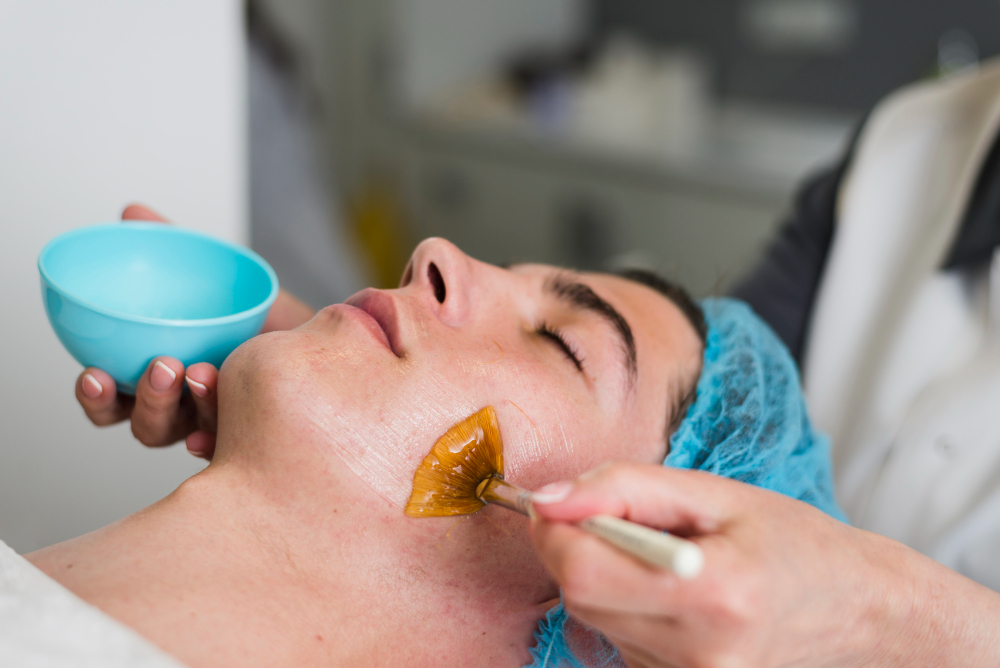
During a chemical peel, a doctor or skin care expert applies a chemical solution to your skin. This solution causes the top layers of skin to peel away over a few days. Because the old skin is removed, new skin forms that is usually softer and clearer. The strength of the peel can be light, medium, or deep, depending on your needs. For example, light peels treat minor skin issues, while deeper peels target more serious concerns.
Benefits of Chemical Peels for Smooth, Youthful Skin
Chemical peels offer many benefits for those seeking youthful skin treatments. Some of the main advantages include:
Additionally, chemical peels can boost your confidence by helping your skin look healthier. According to the American Academy of Dermatology, chemical peels are safe and effective when done by trained professionals.
Types of Chemical Peels
There are three main types of chemical peels. Each type works at a different depth:
Because each type has different effects, your dermatologist will help you choose the best one for your needs.
What to Expect During and After a Chemical Peel
Before your peel, your doctor will clean your skin. Then, they will apply the chemical solution. You may feel a mild stinging or burning sensation, but this usually passes quickly. After the peel, your skin may look red or feel tight. Over the next few days, the old skin will peel away. During this time, it is important to avoid sun exposure and follow your doctor’s advice. Most people see smoother, brighter skin once healing is complete.
Risks and Side Effects
Although chemical peels are safe for most people, there are some risks. Common side effects include:
Rarely, chemical peels can cause infection, scarring, or changes in skin color. Because of these risks, it is important to have your peel done by a certified dermatologist. The American Academy of Dermatology and the Mayo Clinic both recommend professional care for safe chemical peels.
Who Should Consider Chemical Peels?
Chemical peels are suitable for many people who want to improve their skin. You may consider a chemical peel if you have:
However, not everyone is a good candidate. For example, people with certain skin conditions or those who are pregnant should avoid chemical peels. Always talk to your doctor before starting any new skin treatment.
Tips for Safe and Effective Results
To get the best results from your chemical peel, follow these tips:
Because each person’s skin is different, your doctor will give you personalized advice for safe chemical peels for skin rejuvenation.
Prevention and Aftercare Guidance
Proper aftercare is key to healthy, glowing skin after a chemical peel. Here are some important steps:
Because aftercare helps prevent problems, always follow your dermatologist’s instructions closely. This will help you enjoy the full benefits of your youthful skin treatment.
Conclusion
Chemical peels can be a safe and effective way to achieve smooth, youthful skin. With the right care and guidance, you can enjoy brighter, healthier skin. Consult a certified dermatologist to find out if chemical peels are right for your skin.