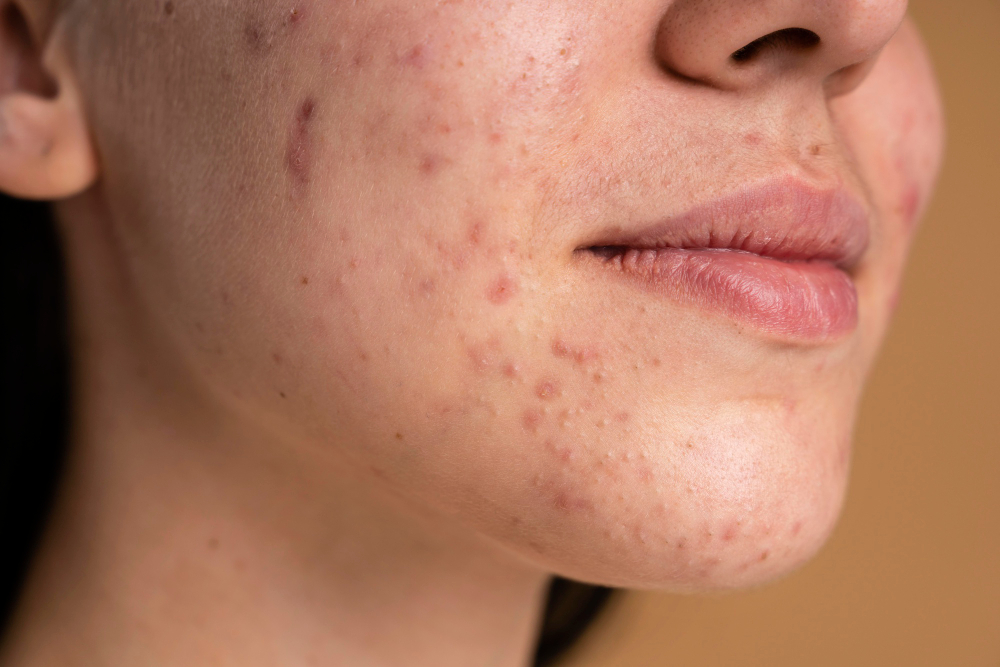
What Are Acne Scars?
Acne scars are marks left on the skin after pimples heal. Many people want to know how to treat acne scars. These scars can make skin look uneven or bumpy. While some scars fade over time, others may stay for years. Because acne scars can affect confidence, finding the best treatments for acne scars is important. Understanding what causes these scars is the first step toward clear skin.
Causes of Acne Scars
Acne scars form when the skin tries to heal after a pimple. Sometimes, the skin makes too much or too little tissue. As a result, scars appear. Several factors can increase the risk of scarring:
Because early treatment helps, it is best to care for acne as soon as possible.
Types of Acne Scars
Not all acne scars look the same. In fact, there are several types:
Because each type is different, treatment may vary.
Diagnosis of Acne Scars
Doctors can usually diagnose acne scars by looking at your skin. Sometimes, they may ask about your acne history. In rare cases, a skin sample may be needed. However, most people do not need special tests. Early diagnosis helps in choosing the best treatments for acne scars.
Treatment Options for Acne Scars
There are many ways to treat acne scars. Some work better for certain types of scars. It is important to talk to a dermatologist before starting any treatment. Here are some common options:
Because each person’s skin is unique, the best treatments for acne scars may differ.
Lifestyle Tips and Home Care
Simple steps at home can help your skin heal. For example, gentle skin care can prevent new scars. Here are some tips:
Because healthy habits support skin repair, they are part of preventing acne scars.
Prevention of Acne Scars
Preventing acne scars is easier than treating them. While not all scars can be avoided, these steps help:
Because prevention is key, start caring for your skin as soon as acne appears.
When to See a Dermatologist
If home care does not help, it may be time to see a dermatologist. For example, if scars are deep or cause distress, a doctor can suggest the best treatments for acne scars. Additionally, if you notice new or changing scars, seek advice. Early help can prevent scars from getting worse.
Frequently Asked Questions about Acne Scars
Conclusion and Next Steps
Acne scars can affect how you feel about your skin. However, many treatments are available. Because each person’s skin is different, it is best to seek expert advice. Consult a dermatologist for personalized advice on managing acne scars. Early care and prevention can help you achieve smoother, healthier skin.