Introduction
Many people wonder, why do wrinkles appear as we get older? Wrinkles are a natural part of skin aging, but several factors can make them show up sooner. In this blog, we will explain what wrinkles are, why they form, and what happens under your skin. You will also learn about the main causes, risk factors, and simple ways to help prevent wrinkles. Understanding these facts can help you take better care of your skin and slow down the signs of aging.
What Are Wrinkles?
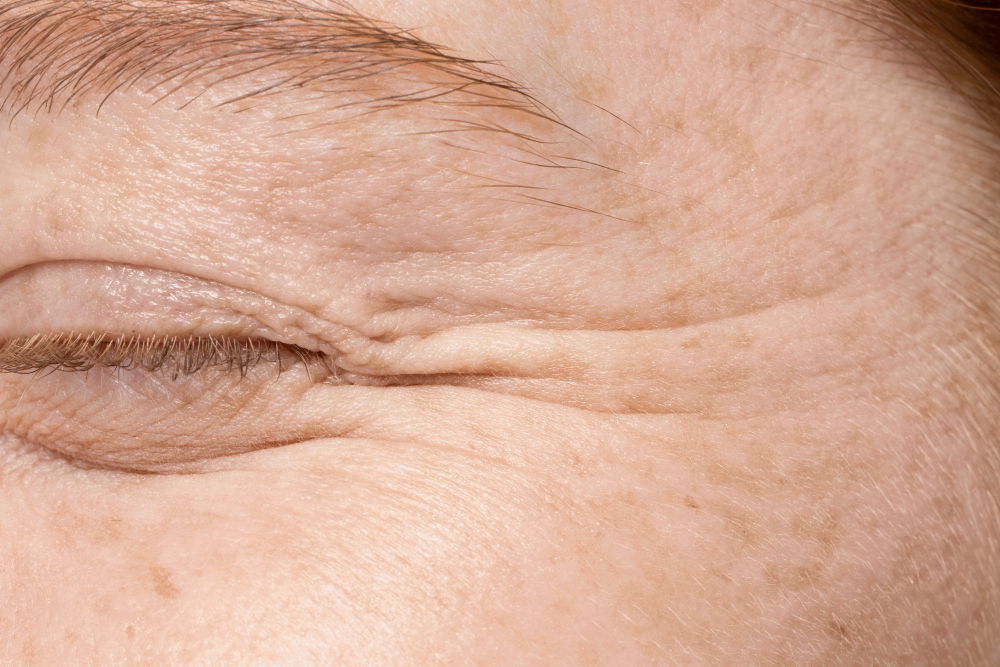
Wrinkles are lines or folds that form on your skin. They often appear on the face, neck, and hands. As you age, your skin becomes thinner and less elastic. Because of this, it is easier for lines to form. While some wrinkles are fine and shallow, others can be deep and more noticeable. For many people, wrinkles are a normal sign of getting older. However, some people may notice them earlier due to lifestyle or environmental factors.
Main Causes of Wrinkles
Several things can cause wrinkles to appear. Some are natural, while others are linked to your habits or surroundings. For example, sun exposure is a major cause of early skin aging. Here are the main causes:
According to the World Health Organization (WHO), sun exposure is the top cause of premature skin aging worldwide.
What Happens Under Your Skin When Wrinkles Form?
Under your skin, many changes happen as you age. First, the skin’s outer layer, called the epidermis, becomes thinner. This makes it easier for lines to show. Next, the middle layer, known as the dermis, loses collagen and elastin. These are proteins that keep skin firm and stretchy. When they break down, skin sags and wrinkles form. In addition, your skin holds less moisture, so it feels dry and less plump. Over time, fat in the deeper layers also shrinks, making skin look less smooth. All these changes work together to create wrinkles.
Risk Factors That Speed Up Wrinkle Formation
Some people get wrinkles earlier than others. Although aging is natural, certain risk factors can speed up the process. For instance, living in sunny climates can increase your risk. Here are some common risk factors:
For example, people who live near the equator or at high altitudes may notice wrinkles sooner due to stronger UV rays.
How to Prevent Wrinkles
While you cannot stop aging, you can slow down wrinkle formation. Simple daily habits can make a big difference. For instance, using sunscreen every day helps protect your skin. Here are some tips to help prevent wrinkles:
According to the American Academy of Dermatology, these steps can help reduce early signs of skin aging.
When to See a Specialist
Sometimes, wrinkles may bother you or seem to appear very quickly. In these cases, it is a good idea to see a dermatologist. For example, if you notice sudden changes in your skin or want advice on anti-aging treatments, a specialist can help. Dermatologists can suggest safe options, such as creams, laser treatments, or other therapies. They can also check for skin problems that may need medical care. Therefore, do not hesitate to seek expert advice if you have concerns about your skin.
Conclusion
In summary, wrinkles are a natural part of getting older, but many factors can speed up their appearance. By understanding why wrinkles appear and what happens under your skin, you can take steps to protect your skin health. Remember, simple habits like using sunscreen and eating well can make a big difference. Consult a dermatologist for personalized advice on wrinkle prevention and skin health.