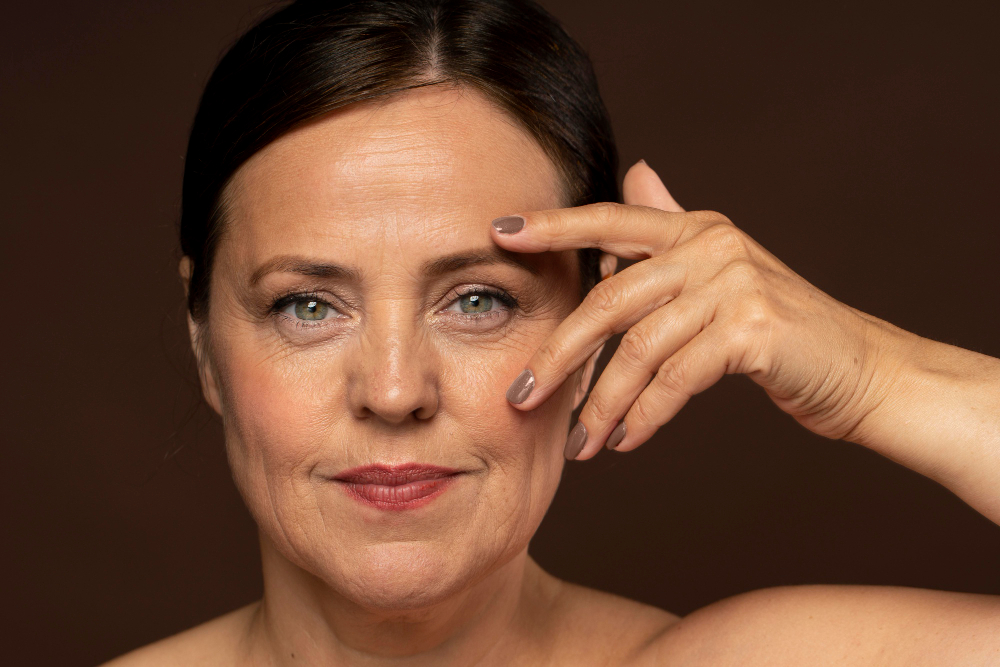
What is Skin Aging?
Skin aging is a natural process that affects everyone. As we grow older, our skin changes in many ways. For example, you may notice fine lines, wrinkles, and changes in skin texture. These changes are normal, but they can make skin look older. However, some factors can speed up skin aging. Understanding these changes helps you care for your skin better.
Common Signs: Fine Lines, Wrinkles, and Texture Changes
Many people first notice skin aging through visible signs. For instance, you might see:
As a result, skin may look less smooth and youthful. But with the right care, you can help slow these changes.
Causes of Skin Aging
Several factors cause skin aging. Some are natural, while others come from our environment or habits. For example:
Because of these factors, some people notice signs of aging earlier than others. Living in sunny areas, like tropical climates, can also increase sun-related skin aging.
Diagnosis and Assessment
Doctors or dermatologists can check your skin for signs of aging. Usually, they look at:
Sometimes, they use special tools to measure skin thickness or moisture. Early assessment helps you choose the best care for your skin.
Treatment and Management Options
There are many ways to manage skin aging. Some treatments can reduce fine lines and improve skin texture. For example:
Before starting any treatment, always talk to a dermatologist. They can suggest what works best for your skin type.
Lifestyle Tips for Healthy Skin
Healthy habits can slow skin aging and keep your skin looking fresh. For instance:
With these tips, you can support your skin’s natural health.
Prevention Strategies
While you cannot stop skin aging, you can slow it down. Here are some ways to help prevent fine lines and wrinkles:
Because prevention is easier than treatment, start these habits early for the best results.
When to Consult a Specialist
Sometimes, home care is not enough. You should see a dermatologist if:
Early advice from a specialist can help you manage skin aging safely and effectively.
For personalized advice on managing skin aging, consult a dermatologist.