Introduction
Many people want smoother, younger-looking skin. PRP for skin rejuvenation is a popular, non-surgical treatment. PRP stands for Platelet-Rich Plasma. This therapy uses your own blood to help your skin heal and look fresh. One key benefit is that PRP boosts collagen naturally. Collagen is a protein that keeps skin firm and smooth. Because PRP uses your body’s own cells, it is seen as a natural way to improve skin health. In this blog, you will learn how PRP works, its benefits, and what to expect from the procedure.
What is PRP Therapy?
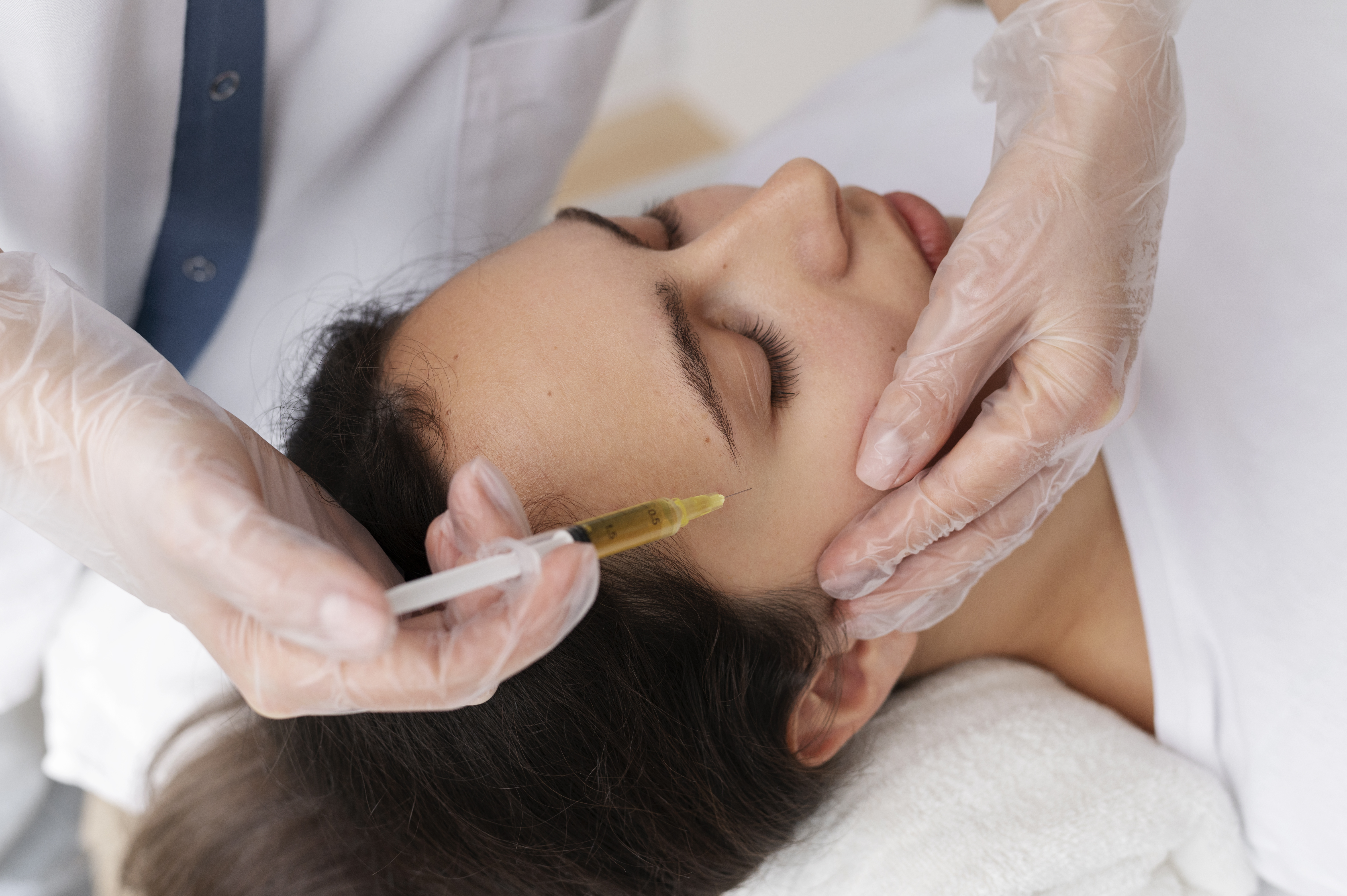
PRP therapy is a treatment that uses your own blood. First, a small amount of blood is drawn from your arm. Then, the blood is spun in a machine to separate the platelets. Platelets are tiny cells that help your body heal. The doctor injects this platelet-rich plasma into your skin. Since PRP comes from your own body, it is considered safe and natural. Many people choose PRP for skin rejuvenation because it does not involve surgery or chemicals.
How PRP Boosts Collagen Naturally
Collagen is important for healthy, youthful skin. As we age, our bodies make less collagen. This can lead to wrinkles and sagging. However, PRP therapy helps your skin make more collagen. When PRP is injected, it releases growth factors. These growth factors tell your skin to produce more collagen and new cells. As a result, your skin becomes firmer and smoother over time. In fact, many people notice a natural glow after treatment. Because PRP uses your own cells, it supports natural collagen production without harsh chemicals.
Benefits of PRP for Skin Rejuvenation
PRP facial benefits are many. Here are some reasons people choose this treatment:
Additionally, PRP can be used on the face, neck, and even hands. Many people see results in a few weeks, with continued improvement over months.
The PRP Procedure: What to Expect
First, your doctor will clean your skin and draw a small amount of blood. Next, the blood is placed in a special machine called a centrifuge. This machine spins the blood to separate the platelets. After that, the doctor injects the PRP into the areas you want to improve. Sometimes, a numbing cream is used to make you comfortable. The whole process usually takes about one hour. Most people return to normal activities the same day. However, you may notice mild redness or swelling for a day or two.
Safety, Side Effects, and Considerations
Because PRP uses your own blood, it is considered safe for most people. Still, as with any treatment, there can be side effects. Common side effects include mild swelling, redness, or bruising at the injection site. These usually go away within a few days. Rarely, infection or allergic reaction may occur. Therefore, it is important to choose a certified and experienced provider. Always discuss your health history with your doctor before starting PRP therapy.
Who is a Good Candidate?
PRP for skin rejuvenation is suitable for many adults. You may be a good candidate if you:
However, people with certain health conditions may not be suitable. For example, those with bleeding problems or severe skin diseases should avoid PRP. Always consult a doctor to see if PRP is right for you.
Frequently Asked Questions (FAQs)
Consult a certified dermatologist or cosmetologist to learn if PRP for skin rejuvenation is right for you.