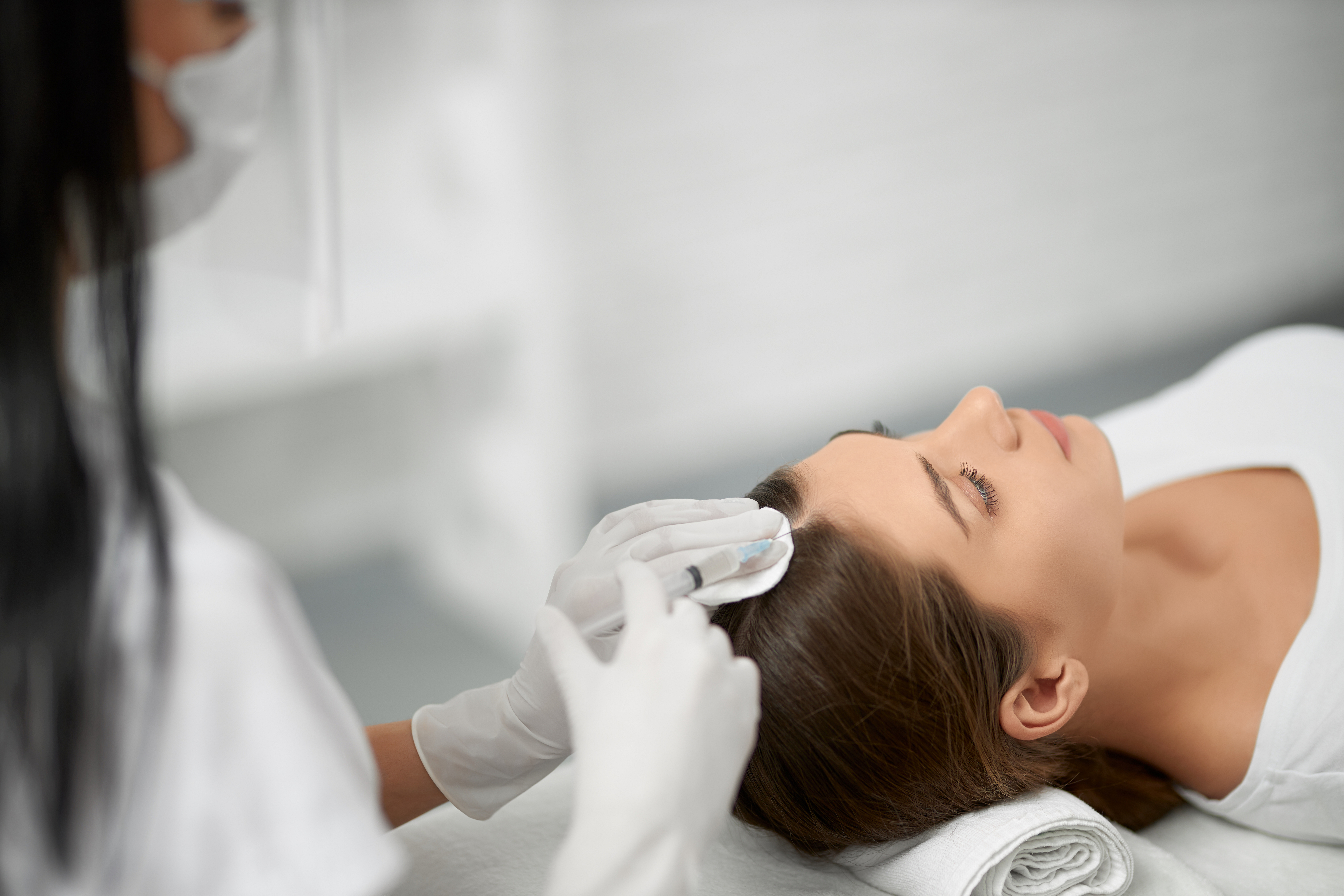
Introduction to PRP Therapy
Many people search for safe ways to improve hair and skin. PRP therapy benefits for hair and skin are gaining attention. PRP stands for Platelet-Rich Plasma. Doctors use your own blood to help heal and renew tissues. Because it is non-surgical, many choose this treatment for hair loss and skin rejuvenation. In this blog, you will learn how PRP therapy works and its key benefits.
How PRP Therapy Works
First, a small amount of your blood is drawn. Then, the blood is spun in a machine to separate the platelets. These platelets are rich in growth factors. Next, the doctor injects this platelet-rich plasma into the target area. As a result, your body starts to heal and renew itself. This process is safe because it uses your own blood. According to the American Academy of Dermatology, PRP can help with hair and skin concerns.
Benefits of PRP Therapy for Hair
PRP therapy for hair loss is popular. It is a non-surgical hair restoration method. Here are some main benefits:
Moreover, studies in medical journals show that PRP can help people with early hair loss. However, results may vary for each person.
Benefits of PRP Therapy for Skin
PRP skin rejuvenation is also in demand. Many people want smoother, younger-looking skin. PRP therapy can help in several ways:
Because PRP uses your own blood, it is a natural way to refresh your skin. According to the Journal of Cosmetic Dermatology, many patients see visible results after a few sessions.
Who is a Good Candidate?
Not everyone is the right fit for PRP therapy. Still, many people can benefit. You may be a good candidate if you:
However, people with certain health issues should avoid PRP. Always talk to a qualified doctor before starting treatment.
What to Expect During Treatment
First, your doctor will review your health history. Next, they will draw a small amount of blood. After spinning the blood, the doctor injects the PRP into your scalp or skin. The whole process usually takes less than an hour. Most people feel only mild discomfort. You can return to normal activities soon after. For best results, you may need several sessions spaced a few weeks apart.
Safety, Risks, and Side Effects
PRP therapy is generally safe. Because it uses your own blood, the risk of allergic reaction is low. Still, some mild side effects can occur:
Serious side effects are rare. However, infection or injury can happen if the procedure is not done properly. Therefore, always choose a trained medical professional for PRP therapy. The CDC and WHO recommend using sterile techniques for all blood-based treatments.
Frequently Asked Questions
Conclusion and Next Steps
In summary, PRP therapy benefits for hair and skin are well-supported by research. It is a safe, non-surgical option for many people. If you want to reduce hair loss or improve your skin, PRP may help. However, results vary for each person. Consult a qualified cosmetology specialist to learn if PRP therapy is right for you.