Introduction
Many people face skin pigmentation issues, such as dark spots or uneven skin tone. Revitalizing skin pigmentation is important for a healthy and glowing look. In fact, effective treatments can help restore your skin’s natural color. This blog will explain what causes pigmentation problems and how you can treat them. You will also learn tips for keeping your skin even and bright.
What is Skin Pigmentation?
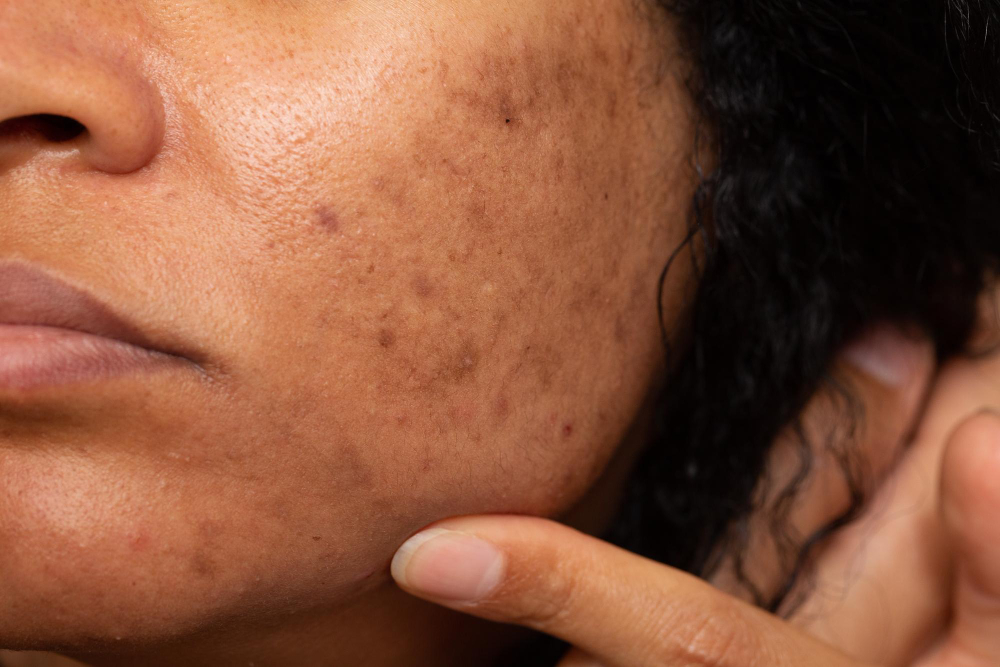
Skin pigmentation refers to the color of your skin. Melanin, a natural pigment, gives skin its color. Sometimes, melanin levels change, leading to lighter or darker patches. For example, some people develop brown spots, while others may see lighter areas. Healthy pigmentation means your skin tone is even and smooth.
Common Causes of Pigmentation Problems
Many factors can cause changes in skin pigmentation. Understanding these can help you prevent and treat issues. Some common causes include:
Additionally, genetics and aging can play a role. For instance, some people are more likely to develop pigmentation problems due to family history.
Symptoms and How to Identify Pigmentation Issues
It is important to spot signs of pigmentation problems early. Common symptoms include:
Sometimes, these changes appear slowly. However, if you notice sudden changes, you should see a skin expert. Early care can help prevent further issues.
Diagnosis: How Experts Assess Skin Pigmentation
Doctors use several methods to check skin pigmentation. First, they may ask about your health history and sun habits. Next, they will look at your skin closely. Sometimes, they use a special light called a Wood’s lamp to see changes better. In rare cases, a small skin sample may be needed. This helps rule out other skin problems. According to the American Academy of Dermatology, early diagnosis leads to better results.
Effective Treatments for Revitalizing Skin Pigmentation
There are many ways to treat pigmentation issues. The best treatment depends on the cause and your skin type. Some effective options include:
For best results, always consult a certified dermatologist. They can suggest the safest and most effective treatment for you. In some cities, you can find the best pigmentation treatments at top skin clinics.
Lifestyle Tips for Healthy Skin Pigmentation
Besides treatments, daily habits can support healthy skin. Try these tips:
Moreover, gentle skin care helps prevent irritation and further pigment changes.
Prevention: How to Maintain Even Skin Tone
Preventing pigmentation problems is easier than treating them. Here are some simple steps:
By following these steps, you can help keep your skin tone even and bright.
Conclusion
In summary, revitalizing skin pigmentation is possible with the right care and treatments. Early action and expert advice make a big difference. For personalized advice on skin pigmentation treatments, consult a certified dermatologist.